
hARTland Interwoven
Each year, the Hartland Partners in Progress - - Hartland Chamber, Hartland Township, Hartland Consolidated Schools, and the Cromaine District Library -- host the hARTland Art Walk. This annual celebration includes the commissioning and placement of a permanent piece of public art within the Hartland Community.
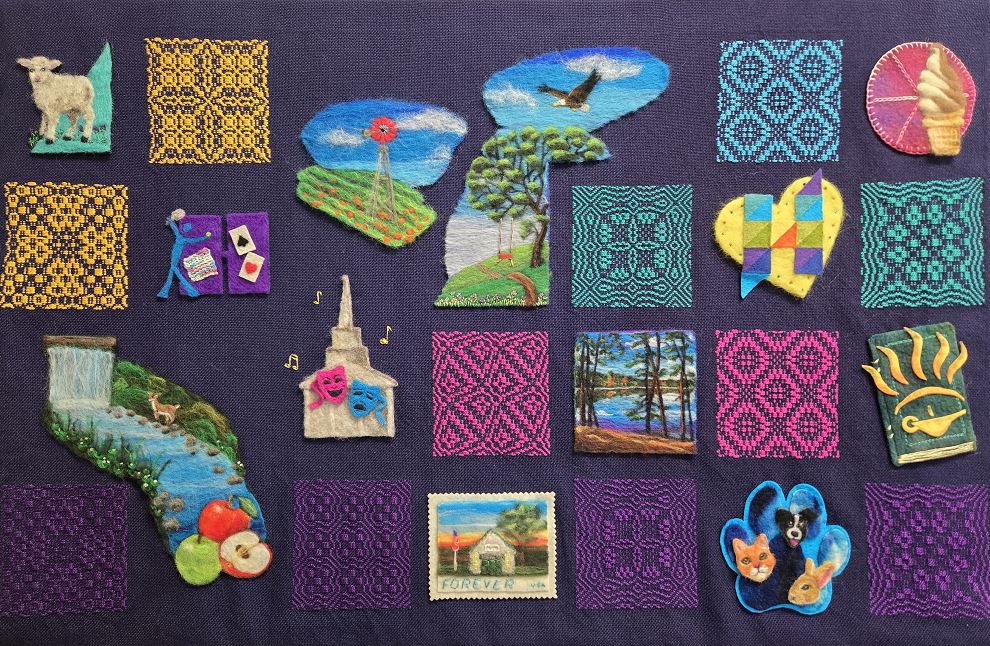
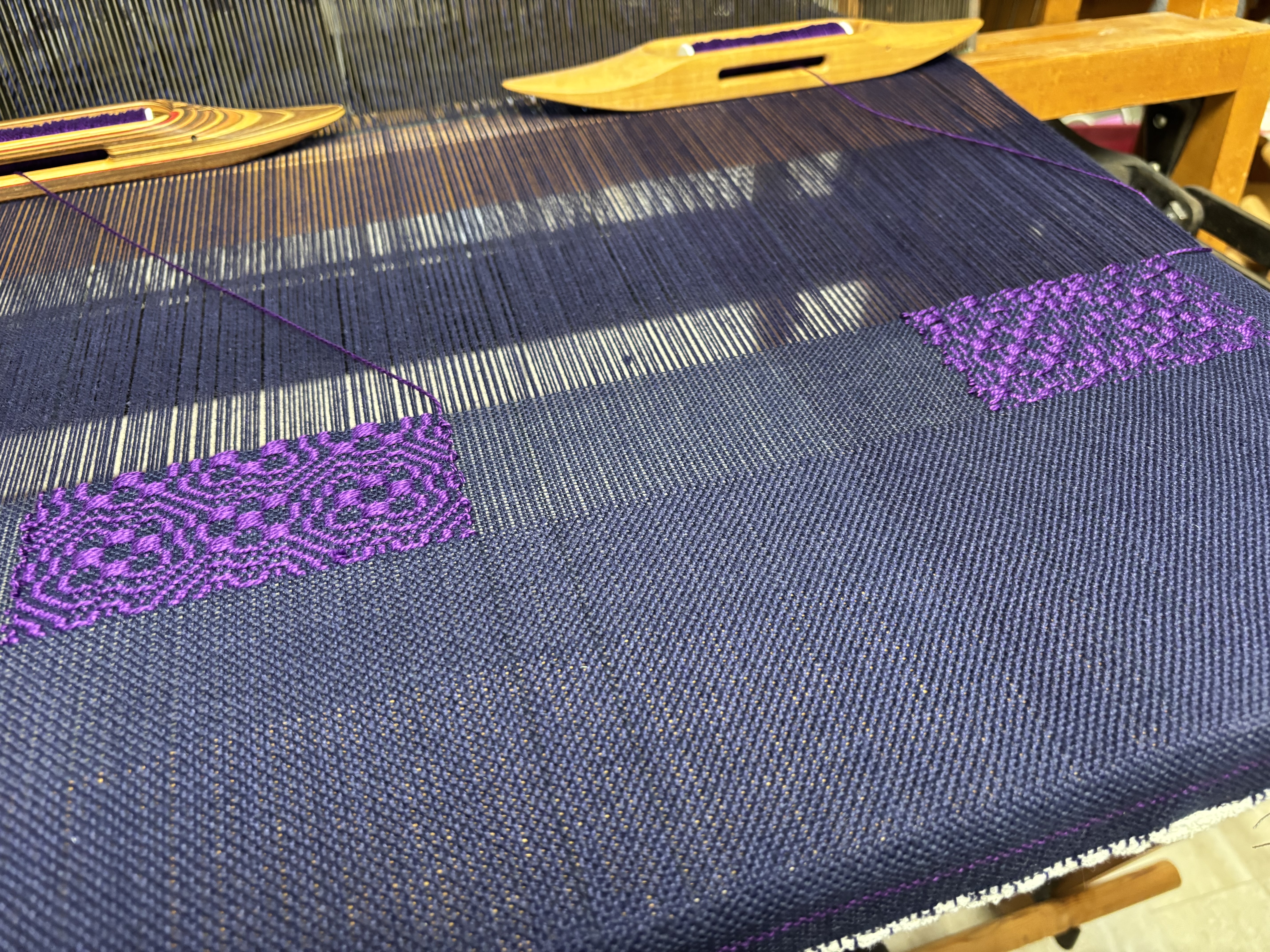
The Friends of Cromaine Library generously supported the 2025 Public Art Initiative, and a woven textile piece was created by local artists Gisela Bosch and Cindy Shinabarker. Read on to explore the art, the artists biographies and statement about their work, and to see detail photos of the work in progress. Once framed, this art work will be on permanent display on the first floor of the Cromaine District Library.
Artist Gisela Bosch
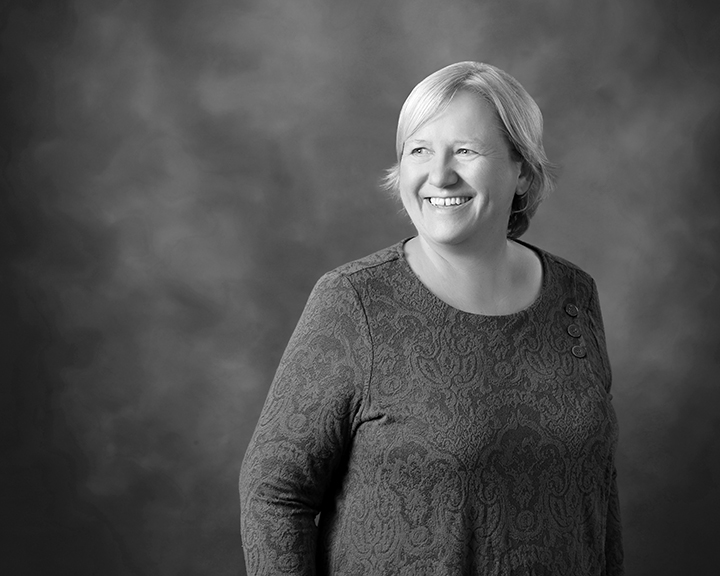
Gisela Bosch joined the local Black Sheep Weaver’s Guild in 1985. The Guild was one of the first groups she connected to after arriving from Germany. When she first joined, she was a knitter, but she soon became intrigued with weaving. Overshot patterns like the ones used in this project were some of her favorite things to weave in the beginning. It is possible to create complex patterns on only 4 harnesses with Overshot. Overshot was often used in traditional coverlets. This project has brought this interest full circle. If you have been in the area for a while you might have seen her demonstrating weaving at the Cromaine Library, at the Florence Dearing Museum and in Hartland, Brighton and Howell schools. She taught weaving through Hartland Community Education, local stores and guilds in Michigan. Gisela Bosch is a Bowenwork Practitioner and Instructor in Brighton, MI.
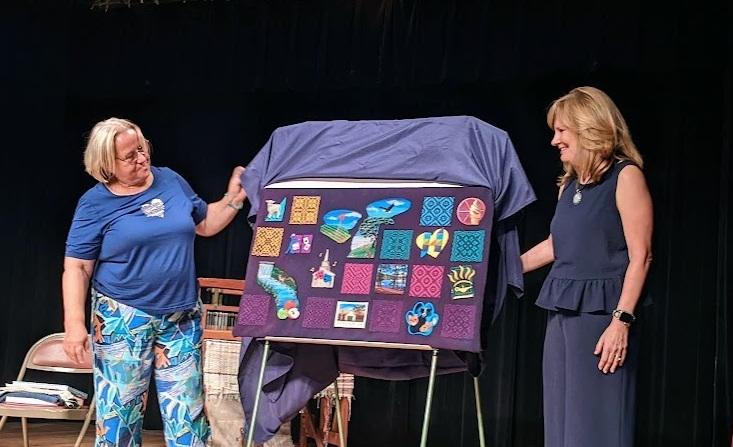
The Artists unveiling their work:
Artists Gisela Bosch and Cindy Shinabarker unveiled their collaborative art piece at Spinning Yarns: A Celebration of Fiber Arts & Weaving, held Saturday, September 27, 2025. Hosted by Cromaine District Library in the Historic Hartland Music Hall, the event also included a history of weaving video and panel discussion, a collaborative community weaving project, a weaving exhibit at the Florence B. Dearing Museum, and demonstrations and hands-on crafts at the Library, courtesy of the Black Sheep Weavers Fiber Guild and Cromaine Staff.
Artist Cindy Shinabarker
Cindy Shinabarker is an artist, special needs proponent, and retired engineer. Learning to sew and knit while in elementary school was the spark that began a life-long interest in crafting and creating. Although Cindy has practiced many artistic mediums over the years, drawing, watercolor painting, sewing, knitting, and needle felting are her current areas of focus. Cindy and her husband live in Howell on a multi-acre parcel of land surrounded by unspoiled nature which is inspirational for her art.
Thank You, Friends of Cromaine Library!
This public art installation, hARTland Interwoven, was funded solely through a generous grant from the Friends of Cromaine Library as a part of the hARTland Art Walk Public Art Initiative.
Thank You, Friends!
Artist's Statement by Gisela Bosch:
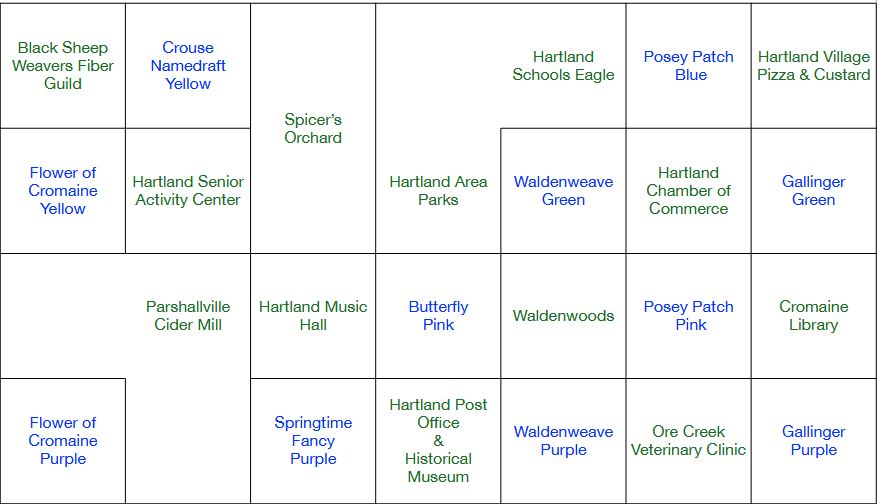
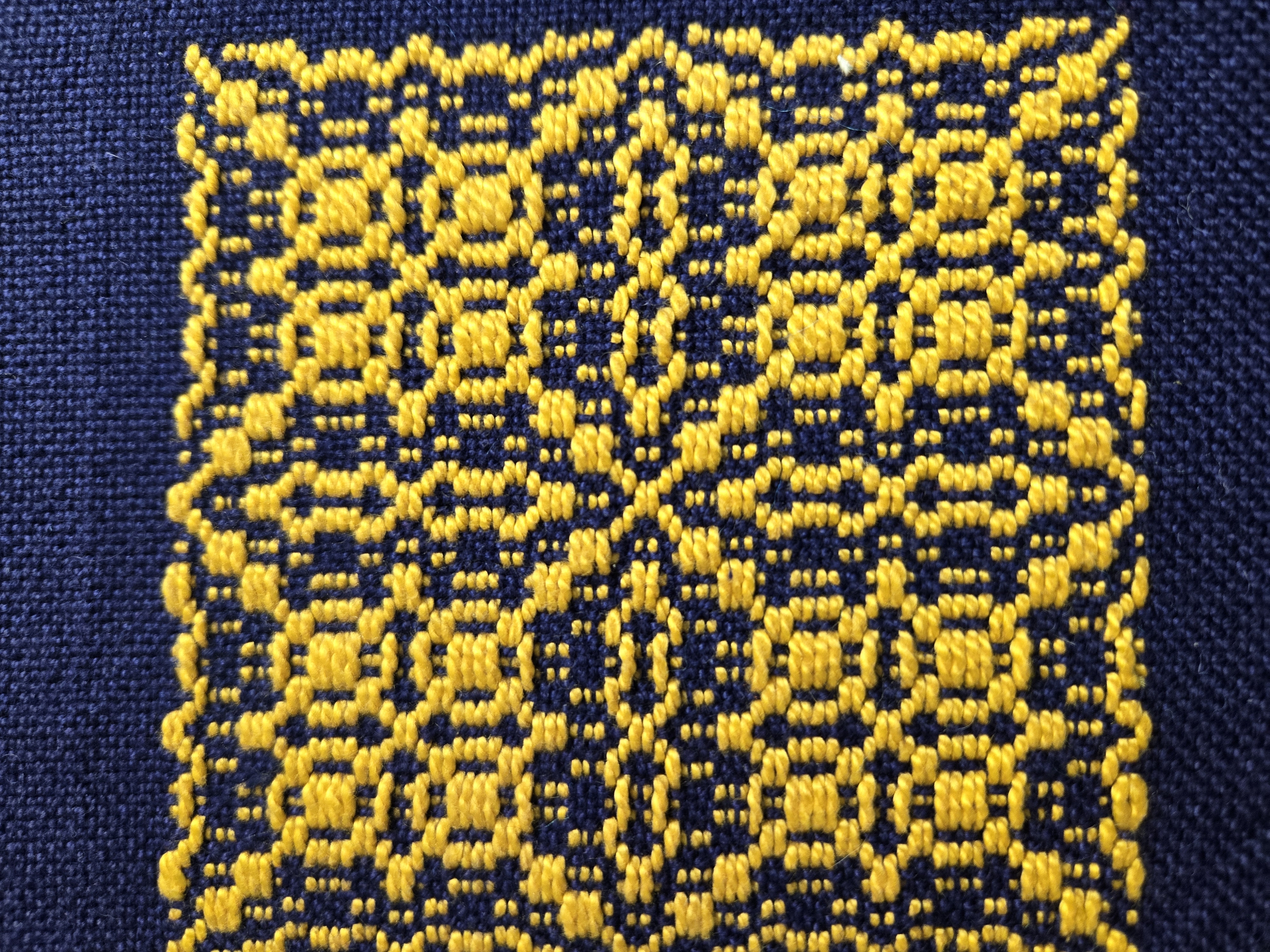
Hartland and its weaving and historical society community was a friendly place to be when I first arrived in Brighton. In 1984 knitting and crocheting were not very popular in Livingston County but my friends from the Black Sheep Weavers promised me that nobody would think it strange if I knit socks and other items in their guild. It did not take very long for me to see the potential of weaving and learn it. After taking the beginning weaving class the pattern I wove a lot of was Overshot. You probably know some of the bigger more complex patterns from old coverlets. The Hartland museum has items that were woven in these patterns. On a 4 Harness Loom you have endless pattern possibilities with it. For me this hARTland Interwoven project is bringing me full circle and I enjoyed weaving these patterns in a different way. Usually, one pattern covers the whole width of the cloth. For our project I chose 6 patterns that Bertha Hayes designed and one Namedraft pattern that I had designed for the Crouse family. Bertha Hayes was a self-taught weaver that lived from 1878 to 1947. She was employed by the Providence Gas Company first as a clerk then as an accountant. She worked six days a week and wove before and after work. She invited coworkers, friends and children to see her work and her looms. The first 4 patterns chosen are connected to the history of weaving in Hartland: The Cromaine Flower, Waldenweave (the first national weaving conferences took place at Waldenwoods), Gallinger both for Osma Gallinger and the Gallinger Loom Company in Hartland, one of three of these and Crouse, as the Crouse family played a big role in the History of Weaving, bringing in teachers and creating income opportunities at home. To these I added 3 more of Bertha Hayes' Miniature Overshot patterns: Butterfly, Springtime Fancy and Posey Patch chosen for the variety they added to the others. These seven patterns were threaded across the width of the warp with 1 inch Plainweave sections between them, coming to a total of 690 threads across. Because they are woven as long as they are wide the patterns needed to be adjusted to the same number of threads as the biggest pattern which in our case was The Flower of Cromaine with 80 threads across and 160 shots high as I am weaving a background cloth shot (navy blue 8/2 cotton) for every pattern shot (colors in 3/2 cotton). For a wall hanging, I wanted to use these bigger yarns to make the pattern more visible from a distance. Each row required one more shuttle than pattern blocks woven in that section. Many thanks to the hARTland Art Walk Committee for putting out a call for weaving and accepting our proposal, to my fellow artist Cindy Shinabarker for being such a fabulous partner on this journey, Nadine Cloutier who had a wonderful idea and shared it with me, my family who supported me through the work and our Creator who gave us the gift of creativity.
Artist's Statement by Cindy Shinabarker
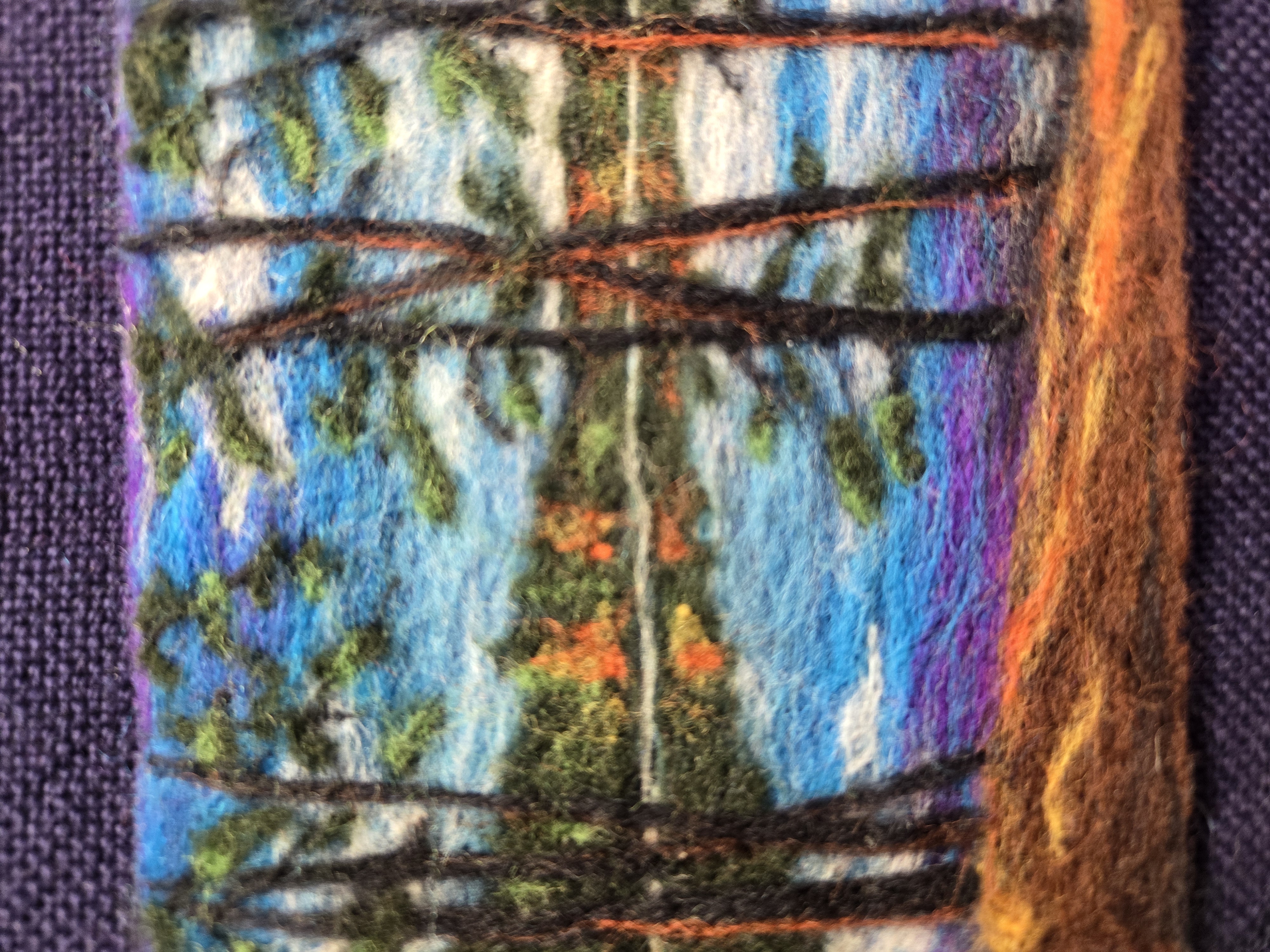
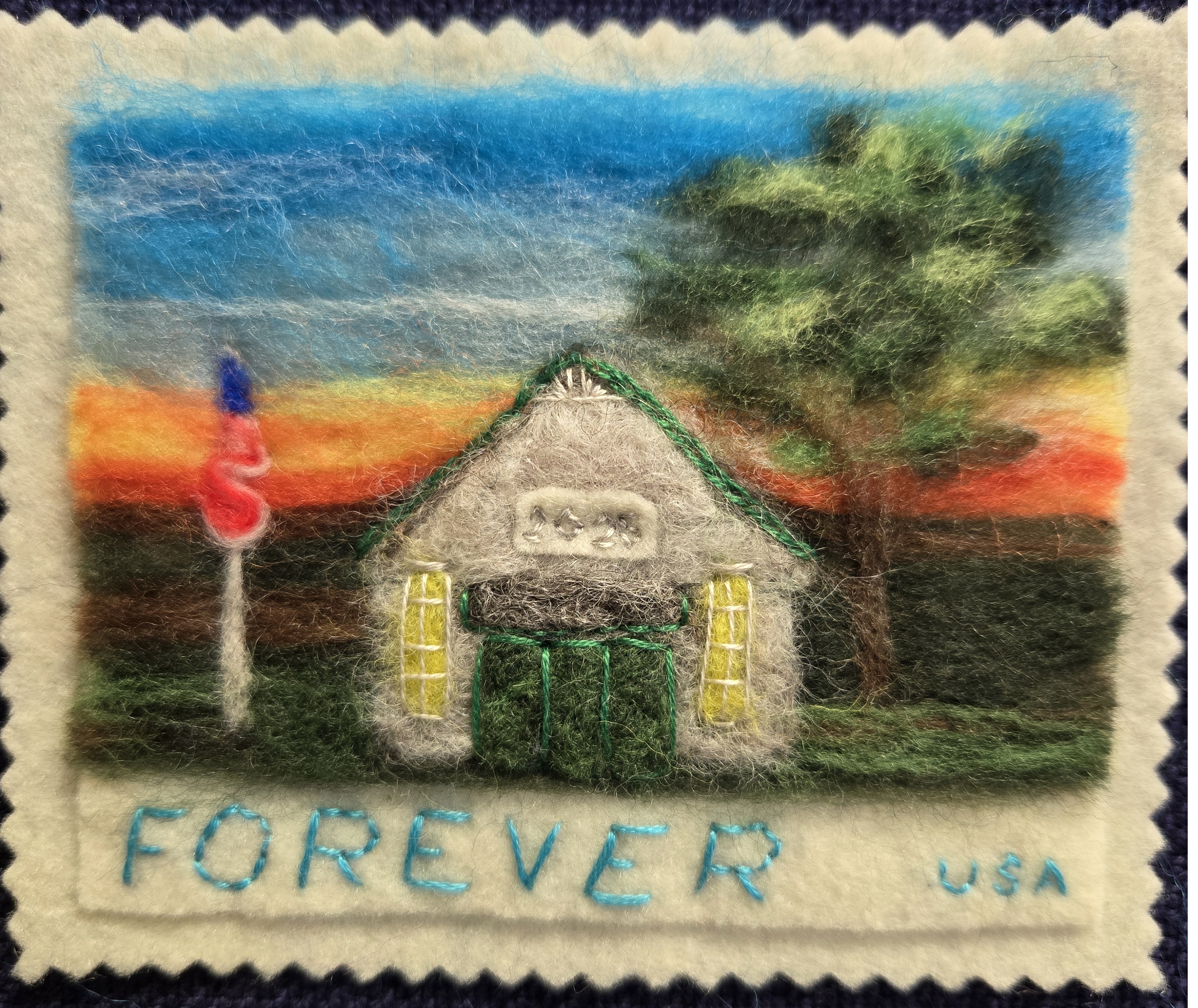
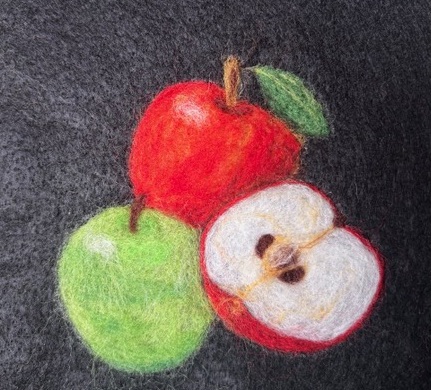
This project includes needle felting, embroidery, and a small amount of acrylic painting and knitting. Needle felting is a crafting technique where loose wool fibers are entangled and compressed into dense forms using a special barbed needle. By repeatedly poking the wool with the barbed needle, the fibers interlock to create firm shapes, which can be flat designs or intricate 3D sculptures, like animals and other figures. The process requires a few basic supplies, including wool roving, barbed felting needles, and a felting mat to protect your fingers and the needles. These needle felted pieces were completed primarily with carded wool. Carded wool is made from raw wool after the fibers are brushed and untangled to align them in a single direction, making them suitable for spinning into yarn or to be used for felting. The resulting carded wool is soft, airy, and fluffy. Raw wool was used for select areas including the sheep and the Music Hall. This raw, unprocessed wool was from the first shearing of Pippin, a sweet sheep that lives on Gisela’s son’s farm. The goal was to capture iconic locations and organizations in Hartland. Some may be obvious, while others might require a more in-depth knowledge of our wonderful Hartland area. Can you name everything that is represented here?