
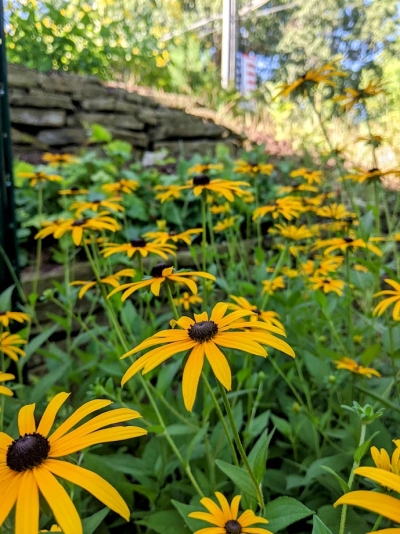
Gardeners are gearing up for another beautiful growing season in Michigan. There are landscapes to design, weeding to complete, and planting to be done! Whether you're looking to grow a bumper crop of tomatoes or you prefer working with flowers, it never hurts to add a few native plant species to your garden design-- in fact, native plants may be just what your garden needs this year to thrive.
Native plants are simply defined as plant species that naturally occur in our region without the influence of human introduction, such as black-eyed Susan (Rudbeckia fulgida), Joe pye weed (Eutrochium maculatum), and golden Alexanders (Zizia aurea). Because these species have grown in our area for generations, they are especially well-adapted to the many quirks of Michigan, including herbivory, temperature, and sudden weather changes like drought or storms. While non-native species might have to be nursed back to health in order to recover from certain stressors like pests, disease, and drought, native plants tend to be very successful once they are established.
There are unbelievable benefits to planting native wildflowers and grasses in your garden. Let's explore some of the many ways that native species can contribute to our land, our pollinator community, and our love of gardening!
Benefitting Our Soil, Water Systems, and More
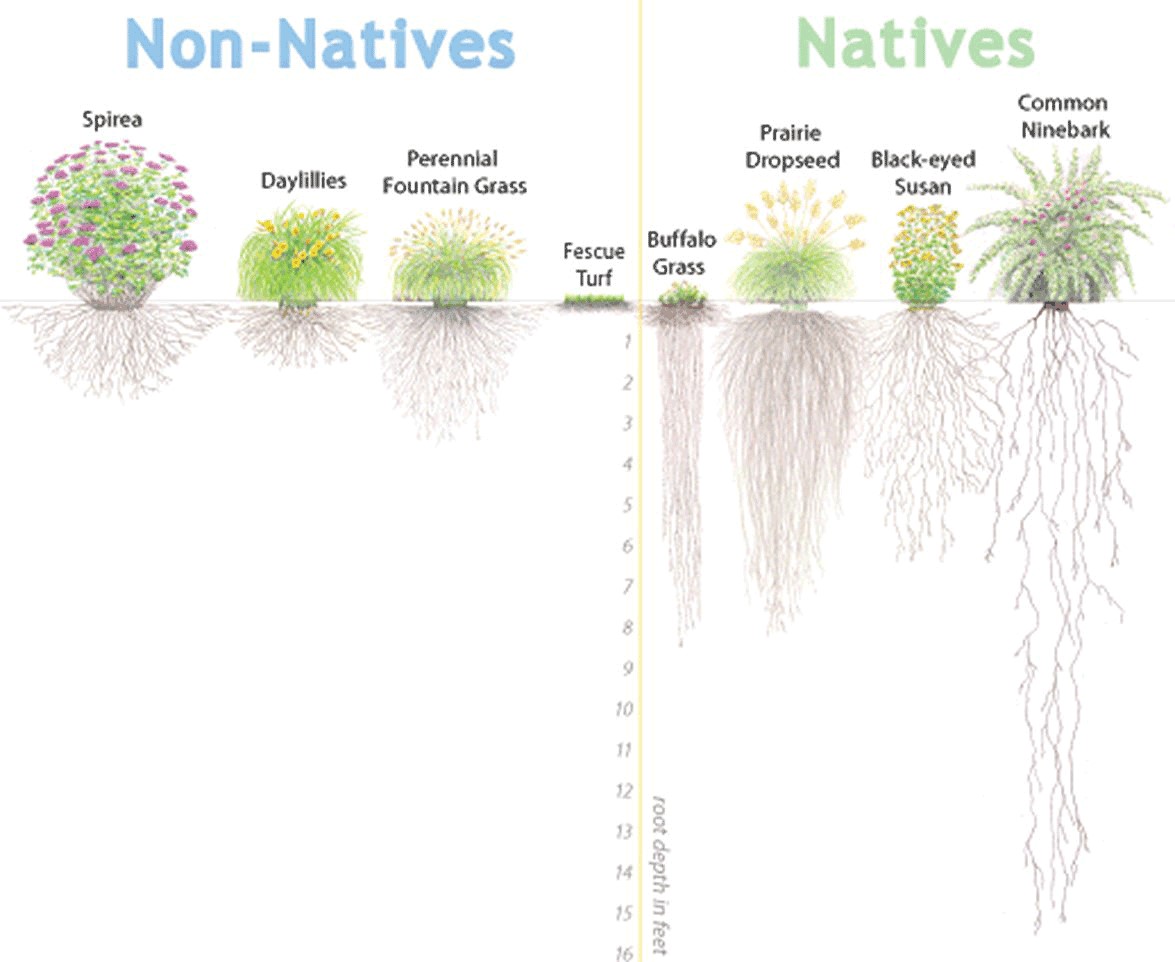
Pursuing a healthy and diverse landscape is a goal for many gardeners, and native plants can help us achieve just that! Native flowers and grasses often have deeper-reaching root systems than cultivated plant varieties, and can help maintain a healthy soil structure by aerating the soil and accessing nutrients deep underground. These deep roots can also prevent flooding and erosion by increasing the soil's capacity to store water, preventing rainwater damage. Plus, native plants can sequester more carbon than many non-native ornamental garden plants do, by taking it out of our atmosphere and storing it in the soil through their deep root systems. This means that by planting native species, we can contribute to healthier soil, better absorption of rainwater, and a healthier atmosphere.
Native plants also require no fertilizers and fewer pesticides than lawns, which means that there is no risk of harsh chemicals leaching into the environment. They also don't require mowing, which means that replacing parts of the lawn with native plants can reduce some of the air pollution caused by mowing! Planting native is a huge step towards caring for our soil, water, and air.
Pollinators and Beyond
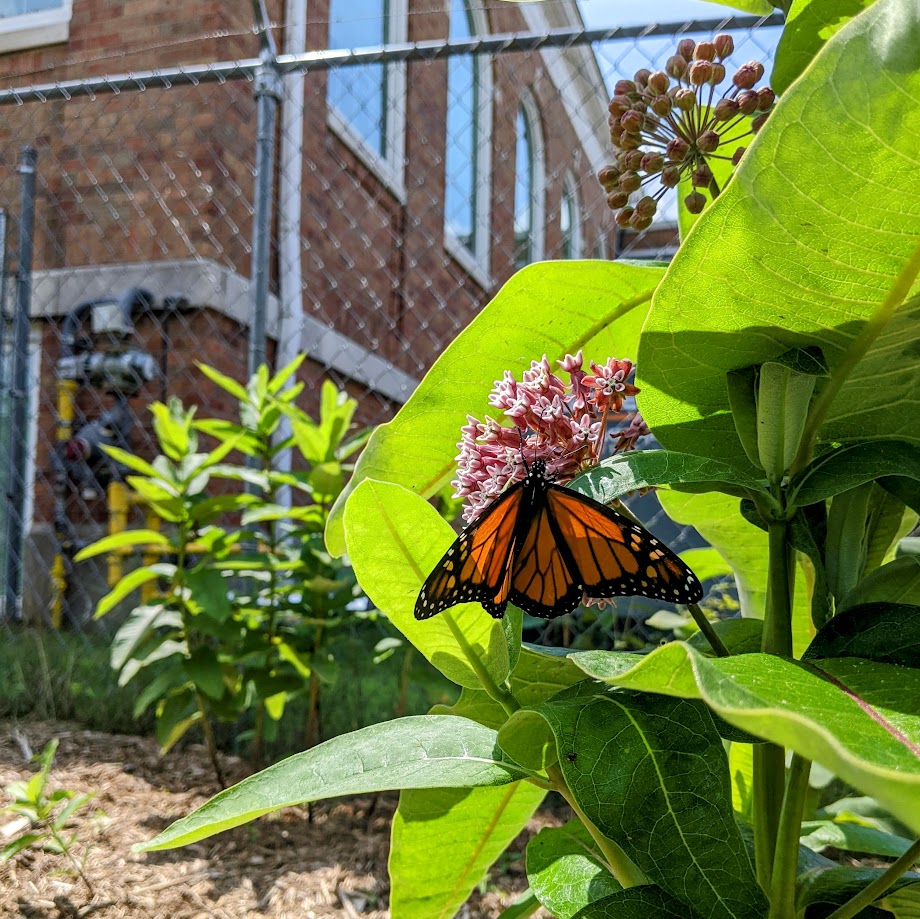
Want to see more birds, butterflies, bees, and other local wildlife in your landscape? Plant native! Native plants are the best source of food and habitat for native wildlife. They preserve local biodiversity by offering the nectar, fruit, seeds, and shelter that our local pollinators need. Our cultivated varieties do offer pollen, nectar, fruits, and other essential resources to wildlife too, of course, but these resources are often not as available or not as nutritionally beneficial as those from native species. Many of our beloved butterflies and insects are dependent on specific native plant species, which means that if you want to see monarchs, swallowtails, and other pollinators, you must include the plants that they rely on in your landscape!
Gardening Made Easier
Native plants give so much to our land and our local wildlife, but they have lots to offer us as gardeners, too. Because native plants naturally thrive in our region, they require significantly less supplemental watering, fertilization, pest control, and other care-- which means that you can enjoy the beauty of your garden with much less work!
Fruit and vegetable gardens can benefit from native plant species, too. Because native plants attract more biodiversity, your crops are more likely to be protected by the many wasps, birds, and other wildlife visiting your garden, which means fewer garden pests to worry about. Plus, the benefits that native plants offer our soil and water can benefit those fruit and vegetable plants, too!
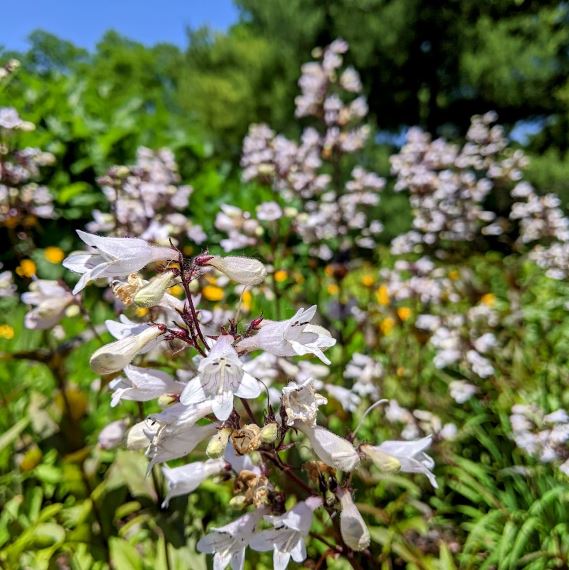
Native plants also offer unique beauty to our landscape: many native wildflowers feature showy flowers, unique leaf patterns, colorful fruits and seeds, and the capacity to change beautifully with the season. Many native flower species can be used for cut flowers, as they are so prolific; others offer delicate, seasonal showings of colorful flowers and leaves. However you decide to incorporate native plants into your garden, you're sure to enjoy many new sights, smells, and interactions between plant and pollinator-- making your garden unique, colorful, and gorgeous!
The National Wildlife Federation also points out that displaying native wildflowers and grasses in our yards connects us to the unique natural history of our region, and also honors the importance of these plant species in indigenous culture. For many of us, gardening is a way to feel more connected to our land, our food system, and ourselves. So what better way to connect to our local ecosystems than through the plants that evolved here?
Gardening with native plant species is an enormous step towards healthier land, greater wildlife biodiversity, and a more self-sufficient garden that requires less work. Whether you choose to plant a full native garden or just want to add a few native species into your flower bed, every native plant makes a difference! Enjoy the beauty and the benefits that native flowers and grasses have to offer.
Feeling inspired to plant native? Consider joining us on Saturday, June 14 @ 10:00 am for our annual Native Plant Sale with the Hartland Home and Garden Club! Members of the Garden Club are very knowledgeable about which native plant species could work best for your garden, and proceeds from the sale benefit local projects in native gardening. We hope to see you at the sale, and wish you a happy gardening season!
Works Cited and Recommended Reading
Native Gardening: Why Garden with Native Wildflowers? U.S. Forest Service.
Root Depth, Natives vs Nonnatives. Alliance for the Chesapeake Bay.
Why Native: The National Wildlife Federation.
Why Native Plants Matter. National Audubon Society.
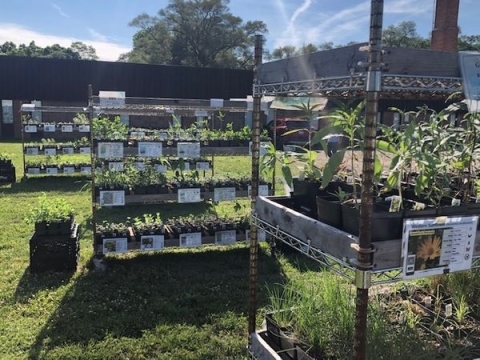
Join Us for the Native Plant Sale with the Hartland Home and Garden Club!
Ready to plant native this year? Joins us on Saturday, June 14 from 10:00 am - 1:00 pm for the Native Plant Sale with the Hartland Home and Garden Club! Peruse a variety of native wildflowers and grasses on the South Lawn, including black-eyed Susan, cup plant, purple lovegrass, big bluestem, and more! Or, order a garden kit to receive a bundle of plants, perfect for your selected landscape! See the pre-sale order forms here.