
IPAs, or India pale ales, are a beer style that can elicit strong reactions from beer drinkers-- most of us tend to absolutely love them or despise them because of their bold, hoppy flavor profile. For those who love it, IPAs are an exciting beer style featuring an amazing variety of flavors or aromas, with hops being the centerpiece of the beer. Let's dive into the wonderful world of IPAs in the USA, and explore their many varieties, their brewing history, and the interesting direction that IPAs have taken in the last few years.
IPAs are a hoppier form of a pale ale, which is brewed with pale malts and top-fermenting yeast. Hops are used in many stages of the IPA-brewing process, including the boil, fermentation, and even post-fermentation. IPAs have a rich history but are also an ever-changing style in the beer industry, developing lots of varieties as craft beer culture shifts. They're very popular in the American market today, making up 46% of craft beer sales in 2024! Most craft breweries have 2-4 IPAs on tap at all times.
The IPA is amazingly versatile. Visiting a craft brewery or your favorite local beer store, you're likely to find varieties such as English IPAs (or Burton ales), American IPAs (which includes west coast, hazy, New England, and Midwest IPAs), black IPAs, red IPAs, milkshake IPAs, double or triple IPAs, fruit IPAs, and more! There's an IPA to satisfy every taste and preference-- unless you don't like hops.
Hops are the star of the show in an India pale ale. Hops come from the Humulus lupulus plant, which develops green, cone-shaped flower buds with yellow pods containing lupulin. Lupulin contains hop oils and resin that contribute bitterness to the beer (to balance the malty sweetness), to provide aromas and flavors, and to help preserve the beer. Alpha and Beta acids are both present in hops: alpha acids provide the bitterness in beer, and beta acids contribute the hoppy aroma we know and love.
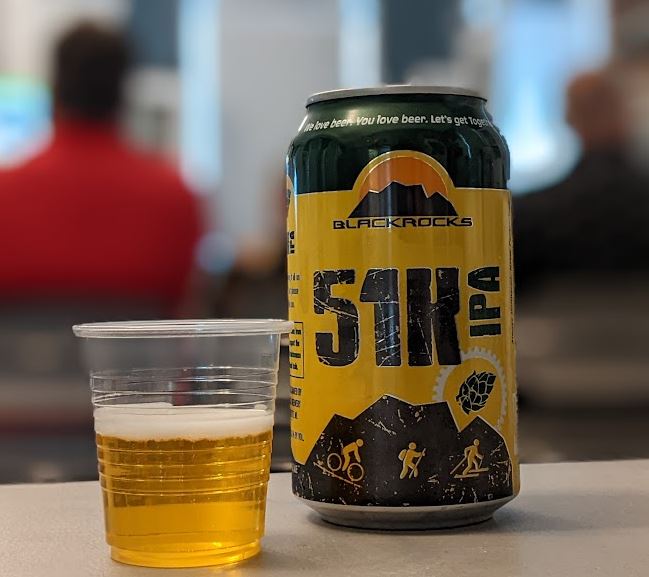
We sampled 51K IPA from Blackrocks Brewing Co. in Marquette, MI. This American IPA is bursting with hop flavor and aroma, and flavors of grapefruit, apricot, and pine.
We can trace IPAs back as far as 18th century England, when beer styles like Burton ales and October ales were popular. These styles are the precursor to IPAs as we know them now, and were like a strongly hopped "pale" ale. Burton ales were named after Burton upon Trent, and were brewed at Allsopp's Brewery, Bass Brewery, and other 18th century breweries. October ales (now considered an old ale or a strong ale) were typically aged between two and eighteen years!
By the 19th century, the British Empire was supplying beer to India. Among pale ales, porters, brown ales, and ciders, the pale ales tended to make it to India without spoiling the most often. They also aged well, and were refreshing to drink in the warm weather. As a result, the India Pale Ale was born as a style that emphasized hop presence in the beer, for both flavor and preservation. In the United States, an early form of IPAs were brewed with wheat and rye for a strongly bitter flavor.
By the early 20th century, the popularity of IPAs diminished in both England and India as a result of the growing popularity of lagers and lower-ABV pale ales. The temperance movement also tamped down the frequency of beer-drinking in general, including the IPA. Moving into the 1970's, when craft brewing took an experimental approach to beer, Fritz Maytag brewed a Liberty Ale at his brewery, Anchor Brewing in California. By the 1990s we saw a craft beer boom, with brewers revitalizing the IPA with a desire to explore new beer styles and revitalize traditional beer styles.
West Coast IPAs were born from the brilliance of Fritz Maytag at Anchor Brewing Company. He wanted to make English-style ales but used local, Pacific Coast ingredients-- including a wonderful new hop variety called Cascade hops! Contributing citrus and tropical fruit flavors, Cascade hops are regarded as "the hop that made hops famous". Dry-hopping, adding additional hop pellets late in the brewing process, also helps to intensify the hop flavor and aroma. With these ingredients and processes, the West Coast IPA as we know it today was created.
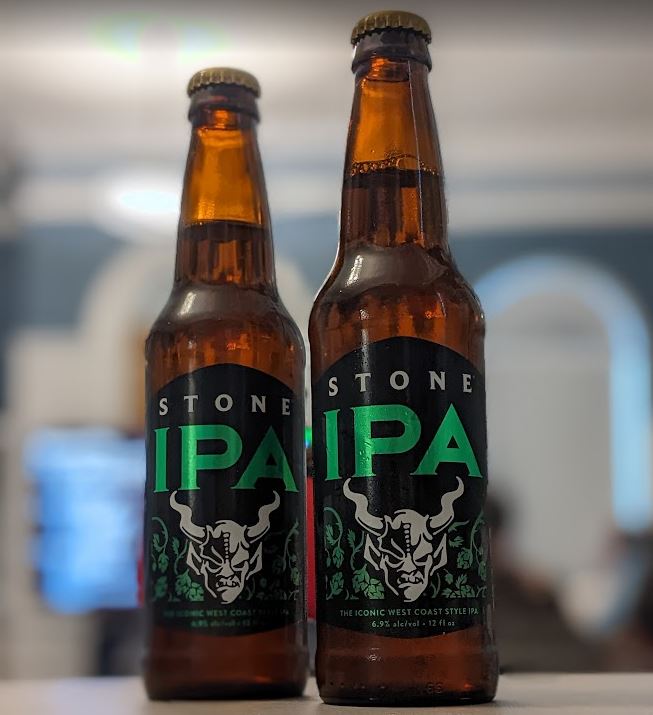
We sampled Stone IPA from Stone Brewing Company in San Diego, California. This golden beer is bursting with tropical, citrus, piney flavors and aromas.
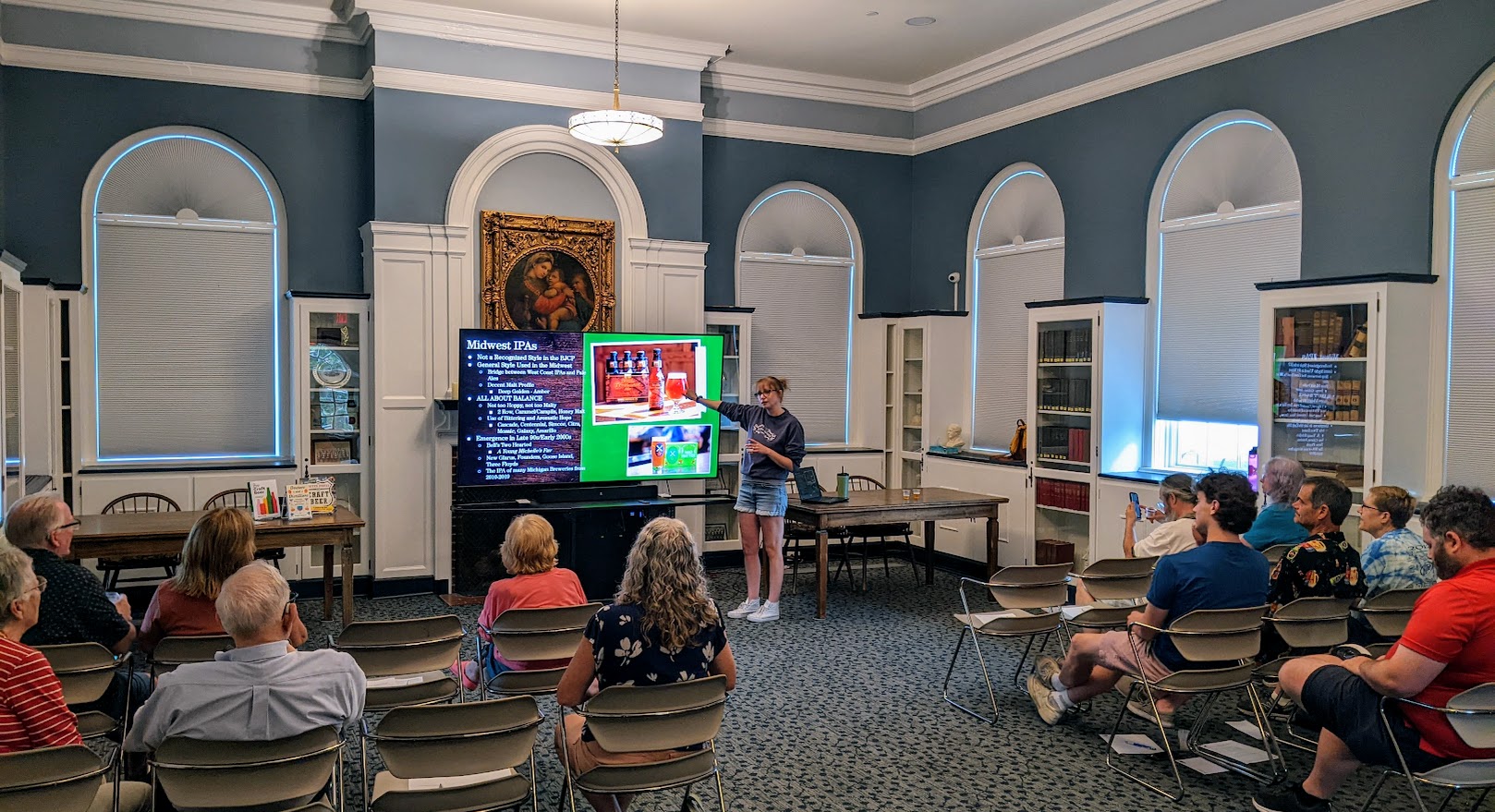
Midwest IPAs are not technically a recognized beer style in the Beer Judge Certification Program (BJCP), but the name refers to a general IPA style used in the Midwest region of the USA, acting as a bridge between West Coast IPAs and pale ales. Midwest IPAs are all about balance between the hops and malts. Bittering and aromatic hops are used, along with 2 Row, Caramel, and Honey malts. This style emerged in the late 1990s, and breweries such as Three Floyds, Founders, Goose Island, and others have brewed Midwest IPAs.
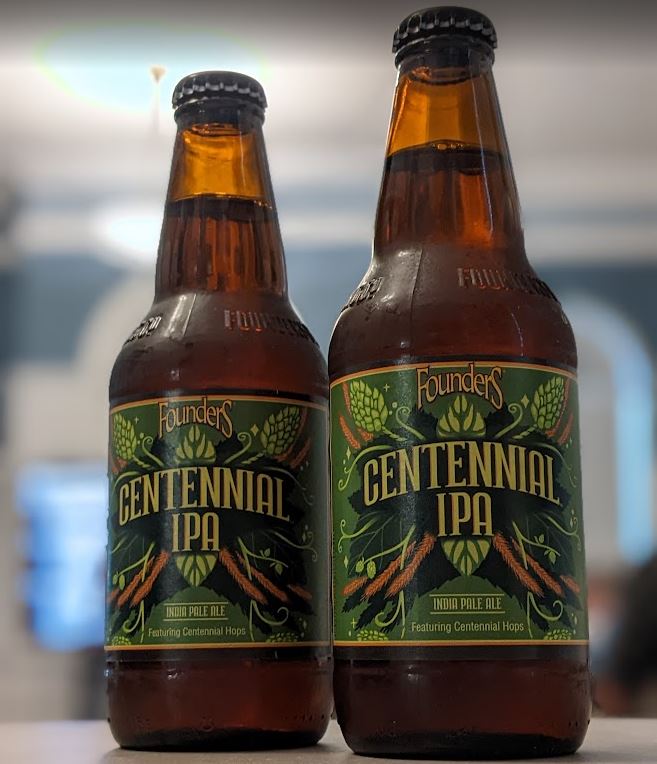
We sampled Centennial IPA from Founders Brewing Company in Grand Rapids, MI. This beer is a wonderful example of the balance between malt and hop flavors.
Looking at the East Coast, the most popular style of IPA is the New England IPA, a juicy, fruity, citrusy brew that evolved from the West Coast IPA style. This style reflects a desire for the presence of hop flavors without the bitterness of a West Coast IPA. Compared to the West Coast IPA, the East Coast style is unclarified (giving it a thick, hazy look), lower in ABV, and features more late-addition hops for a less bitter hop flavor. This style features very fresh hops and fruits, so it is meant to be consumed fresh and kept refrigerated.
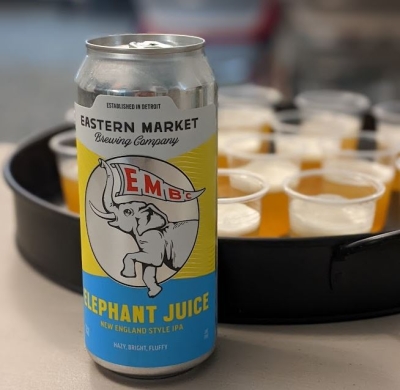
We sampled Elephant Juice from Eastern Market Brewing Company in Detroit, MI, which features bold citrus flavors and the addition of Citra and Mosaic hops.
IPAs have a rich history and a huge variety of styles. They often change with the craft brewing industry and can always surprise us with their unique flavors and adjuncts. Whether you prefer an IPA from the West Coast, Midwest, or East Coast, be sure to visit your favorite local brewery to see what IPAs are on top this summer!
Cheers!