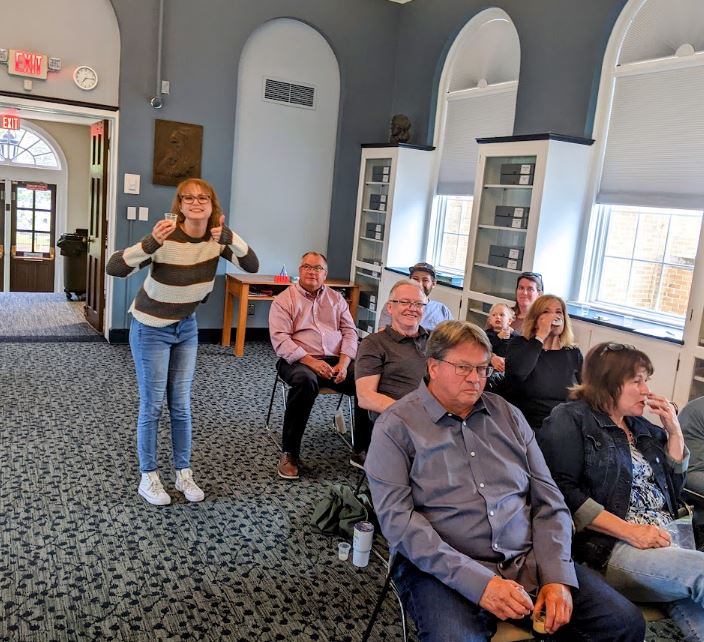
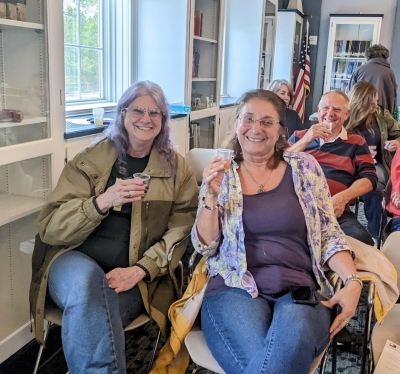
Since 2019, the Ale Together Now program series has covered sour ales multiple times. We love exploring the tart, fruity, and funky flavors that only sour ales can bring. We've sampled the good, the bad, and the ugly of sour beers, and for May's installment of Ale Together Now, Michelle brought us back to the world of sours with our fifth sour ales program! We learned about some of the earliest sour beers, what makes a beer sour, the many varieties and flavor profiles of sour beer, and more.
Historically speaking, most beers were likely (at least) a little sour. Before we had sanitized brewing equipment and careful monitoring tools available, most batches of beer were infected with one form of bacteria or another. Open-vat fermentation was the most common way to brew, allowing airborne bacteria-- including yeast-- to find a home in batches of brewing beer. Nowadays, sour beers are a popular style, and the tart flavor is intentional. The biggest boom of sour ales lasted from about 2010- 2023, when brewers revitalized traditional sour recipes and experimented with weird, fun, funky flavors to create unique beers with a tart bite.
Many flavors can be found in a sour ale, but what makes the beer sour is the presence of lactic acid. This can be caused by bacteria, such as Lactobacillus or Pediococcus, or by yeast strains that produce lactic acid along with carbon dioxide and alcohol, like the appropriately named Saccharomyces sourvisea. Sour ale styles include Lambics, Flanders red, Berliner Weisse, Gose, Wild Ales, and Kettle Sours. Let's dive into some of these unique styles!
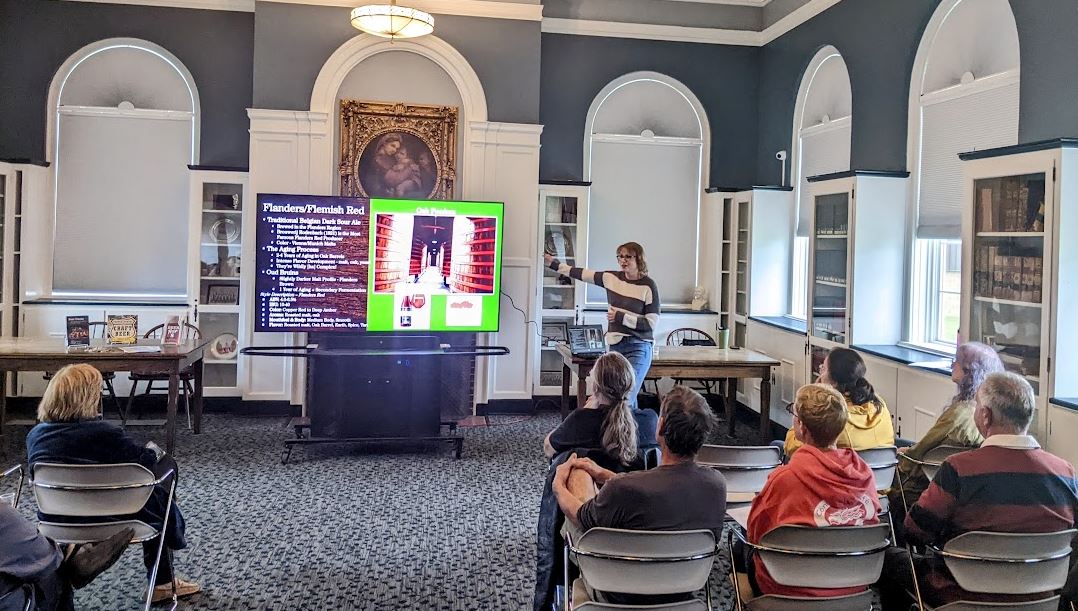
Lambics are a traditional Belgian sour ale, and are one of the earliest sour ales that we know of, dating back as far as the thirteenth century. In the 1700s, we know of a sour style called Alambique ales, which were strictly brewed in the Brussels area. The local microflora is an essential part of the traditional lambic flavor! The yeast is the star of the show in a sour style, producing strong esters that contribute flavors of spice, earth, and funk. Popular types of lambic beers include Gueze, Mars, Faro, Kriek, and Framboise.
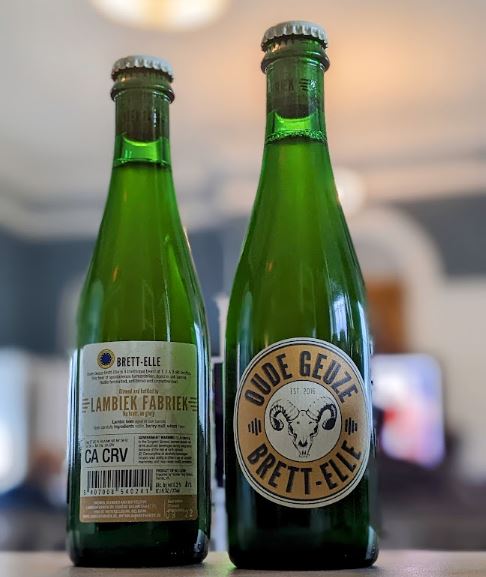
We sampled a Gueze Lambic, which is a blend of both aged and young Lambics. Bett-elle, from Brouwerij Lambiek Fabriek in
Sint-Pieters-Leeuw, Belgium, is 6.3% ABV and combines fruity flavor with a strong, tart odor.
Flanders, or Flemish Reds, are a traditional Belgian dark sour ale. Brewed in the Flanders region, Brouwerij Rodenbach is the most famous producer of Flanders Red. This beer style is aged in oak barrels for two to four years, allowing intense flavors of malt, oak, and yeast to develop. It makes for a wonderfully complex beer!
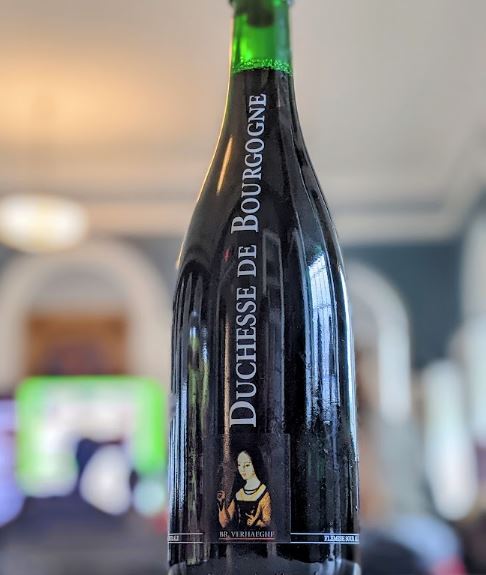
We sampled Duchesse de Bourgogne by Brouwerij Verhaeghe-vichte in Vichte, Belgium. This beer has a beautiful deep red color, sits at 6.0% ABV, and features wonderful flavors of dark fruit, bread, and apple with hints of red wine, oak, malt, and chocolate-- and a hint of tartness, too.
Let's take a look at American wild beers and Brett ales. In the US, wild fermented beers are a relatively new style. Wild yeast strains are used in the fermentation process, along with a wide range of malt, hop, and adjuncts. Some brewers will even forage for their own local ingredients, using herbs, berries, nuts, twigs, and other local flora.
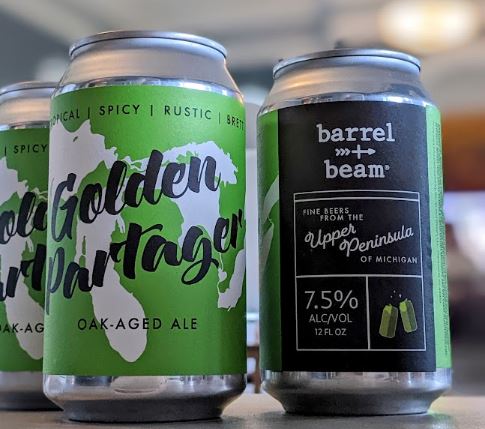
We sampled a local sour called Golden Partager from Barrel + Beam in Marquette, MI. This French oak barrel-aged Brett Brux Saison is made with 100% Michigan-sourced ingredients, and sits at 7.5% ABV.
Kettle sours are a modern American interpretation of a sour ale, inspired by styles like Berlinner Weisse and Gose. Instead of following the traditional trajectory of sour ale brewing, which involves fermenting the beer in an open vat with wild yeast strains, kettle sours involve adding Lactobacillus or Pediococcus directly to the boil kettle, and then boiling the mash with hops to kill off any added bacteria. Kettle sours are known for having wacky and creative flavors, featuring fruit and/or popular foods and desserts. River's Edge even made a sour with avocados! Some other local breweries that make kettle sours include Homes, Ferndale Project/Eastern Market, Mikkeller, Drafting Table, Bells, Transient, Untitled Art, and more.
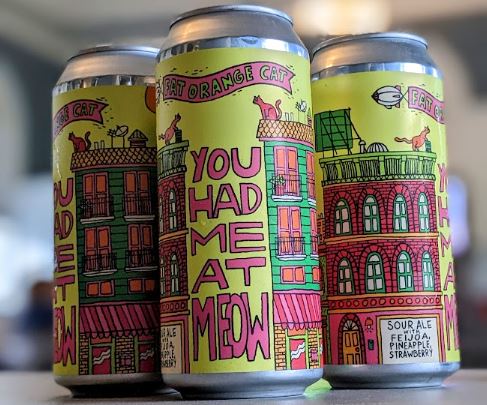
An interesting kettle sour that we sampled is You Had Me At Meow by Fat Orange Cat Brewing Company in North Haven, CT. This sour is delightfully fruity and mildly tart, featuring flavors of pineapple and strawberry!
Sour ales are a wonderfully interesting and complex styles-- we have now covered this topic five times at Ale Together Now, but it seems we could go on with sours forever! Thank you to all of our community members who joined us for this fun evening of camaraderie and learning, and don't forget to register (or add yourself to the waitlist) for next month's Ale Together Now program.
Cheers!