
This year's hARTland Art Walk celebration featured a spotlight on the incredible weaving history of Hartland. In the 1930's and 1940's, our little town was home to the third-largest handweaving industry in the nation, thanks to the vision of local philanthropist J.R. Crouse and the talented staff he employed to teach weaving to the community! Take some time to explore the story of handweaving in Hartland, and to see the highlights of our Spinning Yarns weaving heritage celebration on Saturday, September 27. This project is funded in part by Michigan Humanities, an affiliate of the National Endowment for the Humanities.
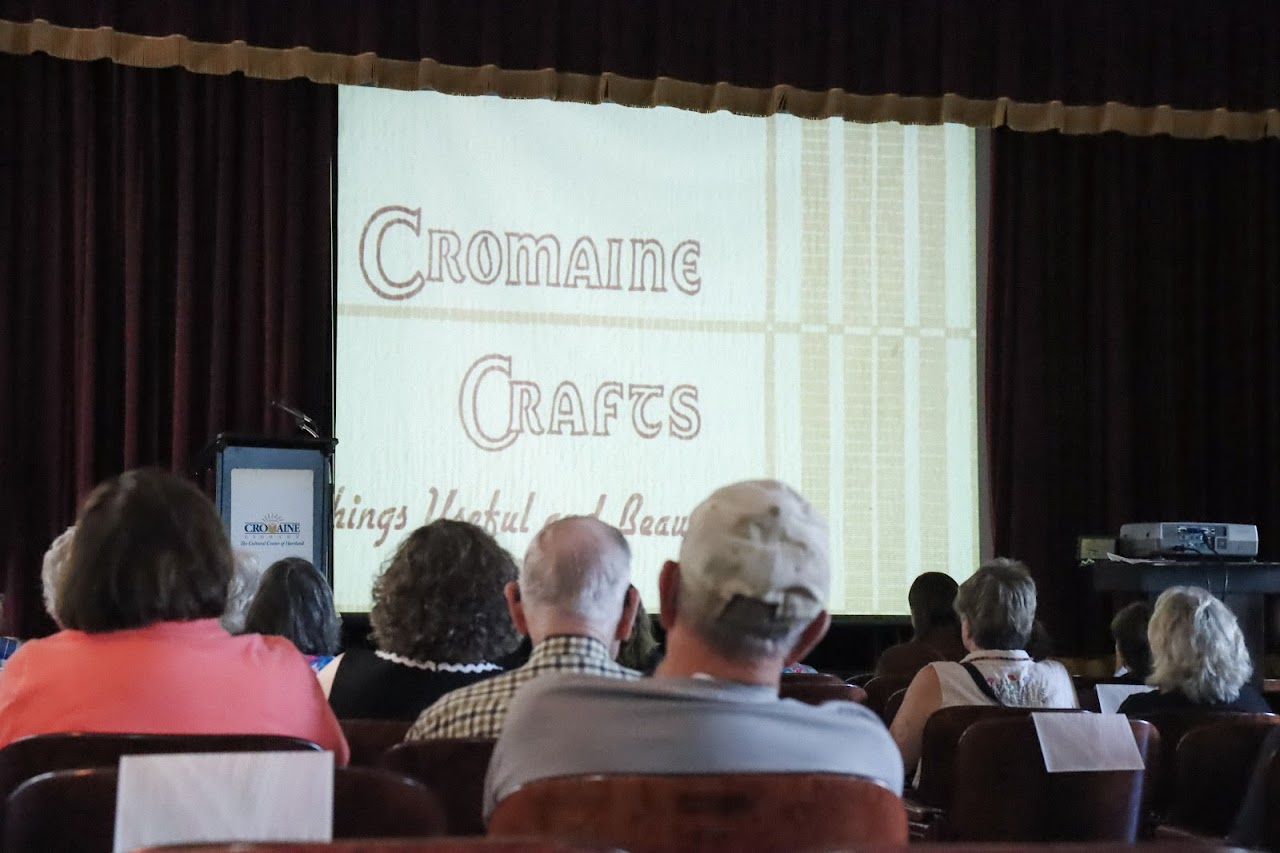
To showcase the story of weaving in Hartland, we kicked off the Spinning Yarns celebration with a video presentation that narrated how weaving began in the village of Hartland. The story begins with J.R. Crouse's establishment of a project called Cromaine Crafts, and the introduction of Osma Palmer Couch, a leading handweaver in New York, to the program. She instructed Hartland residents on the art of weaving, and in 1934, a weaving studio opened in the Old Hartland Mill.
Initially facing difficulty obtaining looms for weaving, Hartland residents built their own. Two woodworkers, Jack and Abner Guernsey, were joined by their friend, Milo Gallinger. Milo’s woodworking expertise and Osma’s weaving skills made for a successful and rapidly growing shop. Milo and Osma made a wonderful team, and by 1934, Milo and Osma had married, and moved to a farm on Hibner road. The pair continued their work in Hartland, and local interest in weaving continued to grow as new students joined Cromaine Crafts. The talented Hartland weavers took great pride in creating their own towels, dresses, curtains, handkerchiefs, neckties, bedspreads, and other products that were both beautiful in design and practical in use.
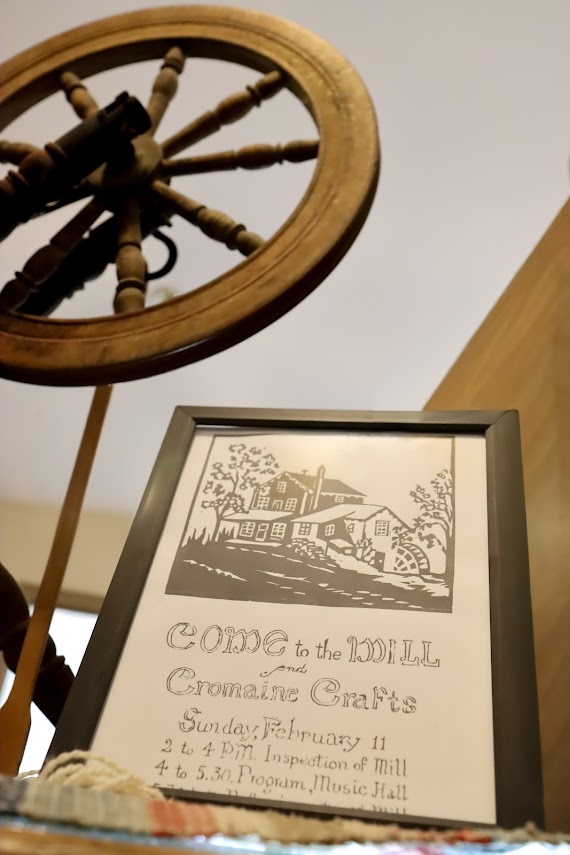
By the summer of 1935, Cromaine Crafts had moved into the old Mill Tavern on Avon street, which would become their crafting home for another forty years. Students traveled from several states to receive education at the Hartland Craft Shop. Even radio programs featured information from Cromaine Crafts, and many other craft enterprises developed from this once small gathering of weavers. By 1939, Cromaine Crafts had been renamed to Hartland Area Crafts, and experienced Swedish weaver, Mrs. Martina Lindahl, took over responsibility for the shop to allow Osma Gallinger to open a sister weaving shop in Howell.
During the weaving boom, local musician Dr. Dora H. Stockman composed a song to honor Cromaine Crafts, and the talent and dedication of Hartland weavers. Titled A Weaving Song, the piece features lyrics such as “dreams of the weavers, creative each day; beauty is born in the rhythmical sway…. paradise patterns on earth’s singing looms; sunshine and showers they wondrously blend; woven like life’s rainbow, gold to the end.” You can enjoy the full song, performed by Bailey Tallman, Maggie Reed, Janalen Sampson, and Maya Griffon in the historic Hartland Music Hall, here!
Hartland craft-shop goods were sold in more than three hundred stores nationwide, including Macy’s, Hudson’s, and Lord & Taylor in New York and Los Angeles. Even London sold products made by Hartland weavers! The high-quality Hartland looms, made at first for local usage, sold internationally as well.
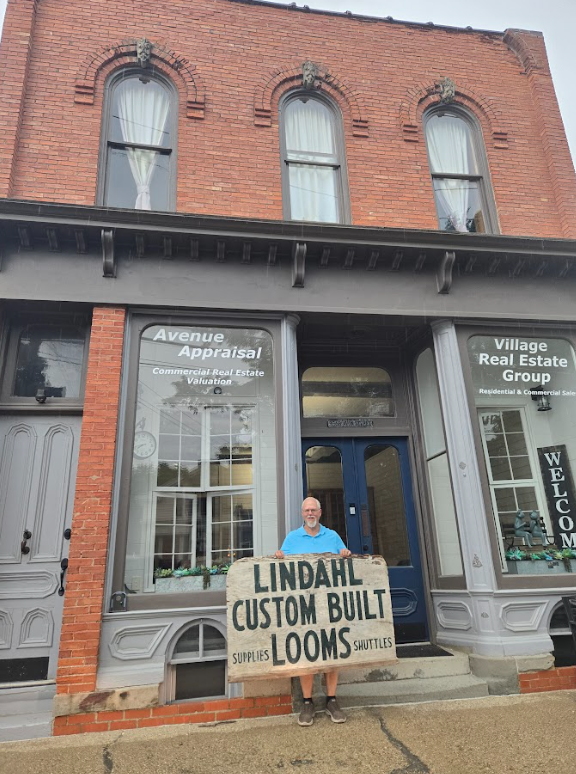
In 1944, Milo and Osma Gallinger moved to Guernsey, Pennsylvania. This, along with the passing of J.R. Crouse in July of 1946, shifted the composition of Cromaine Crafts. Weavers in Livingston County still managed to meet each month, and without Milo Gallinger crafting looms, Martina Lindahl’s son, Clifford, began producing Lindahl looms at the brick store on Avon Street. A small resurgence of weaving swept the village of Hartland in the 1950's, but the rerouting of the highway around Hartland, instead of through it, slowed weaving in Hartland significantly.
Though much has changed in our area since the weaving boom in Hartland, the Hartland Area Project and Cromaine Crafts have left an everlasting quality of innovation, cooperation, and creative expression in our community. We are proud of our local artists who follow in the footsteps of the Hartland weavers in their own ways, by creating art in many forms that is unique, expressive, and beautiful.
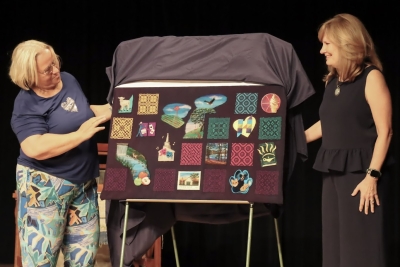
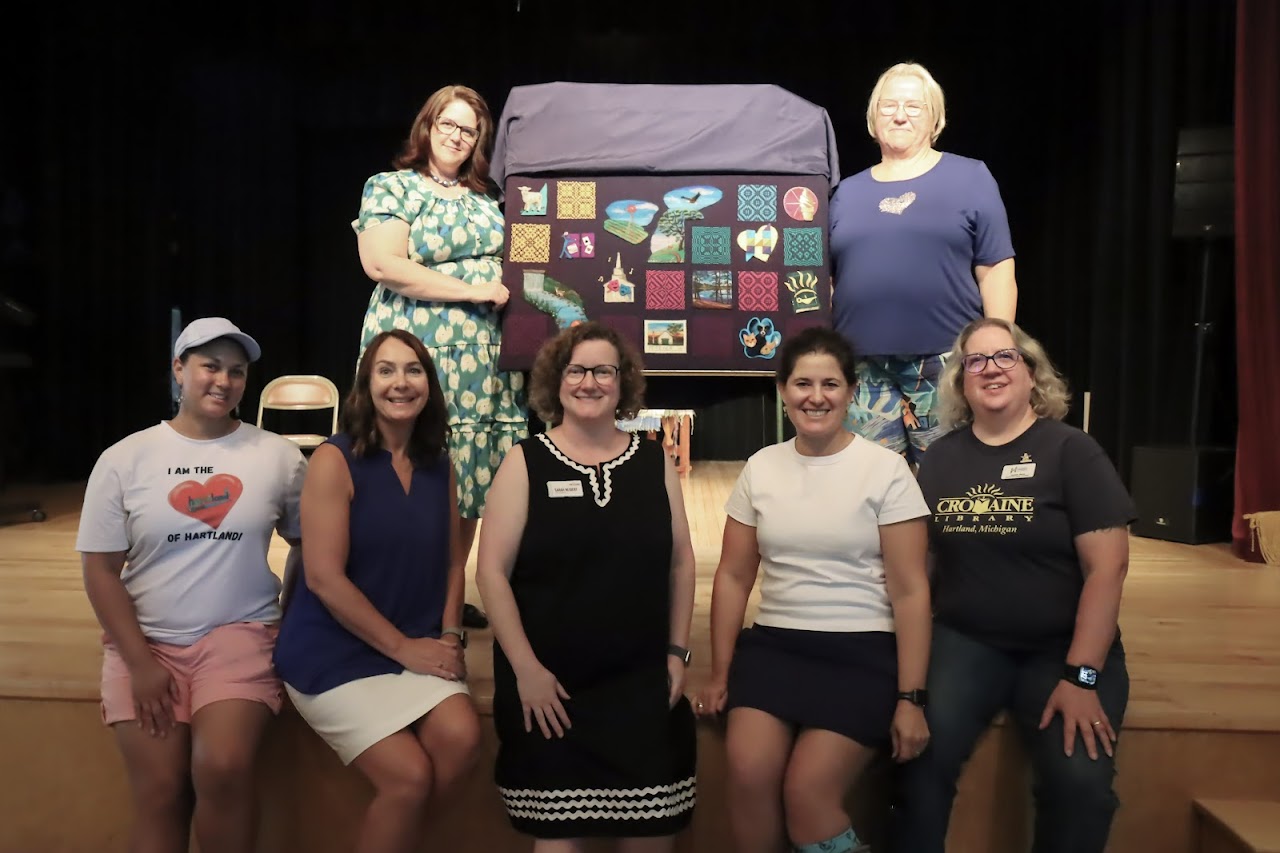
Following a brief panel with Nadine Cloutier and Ashley Brennan, this year's Art Walk commissioned art piece, created in honor of Hartland's handweaving heritage, was unveiled. This woven textile work features historical and modern weaving patterns, along with beautiful needle-felted portions, depicting some of the best-known components of life in Hartland. This incredible piece was crafted by local artists Gisela Bosch and Cindy Shinabarker, and will be on permanent display on the first floor of the Cromaine District Library after it is framed. See a full project legend and learn about the artists here!
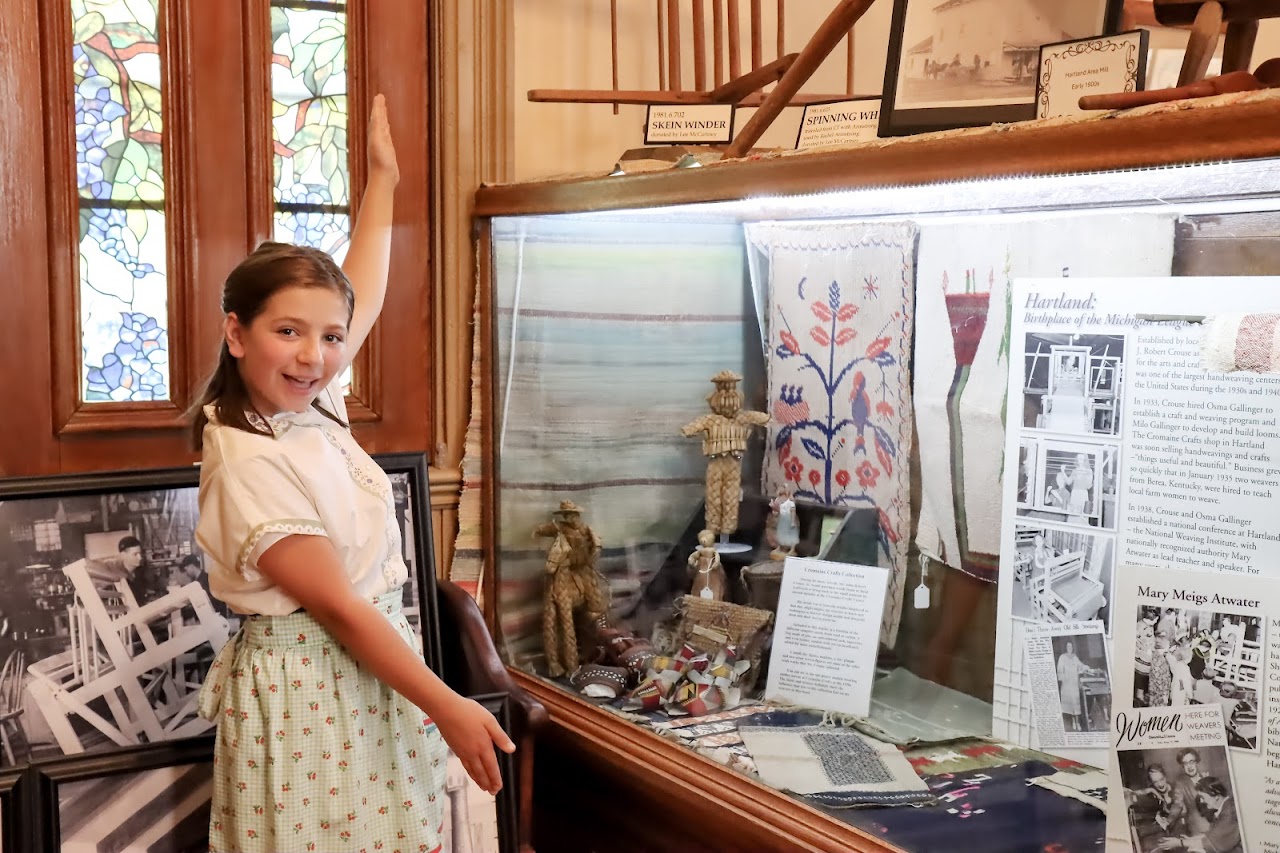
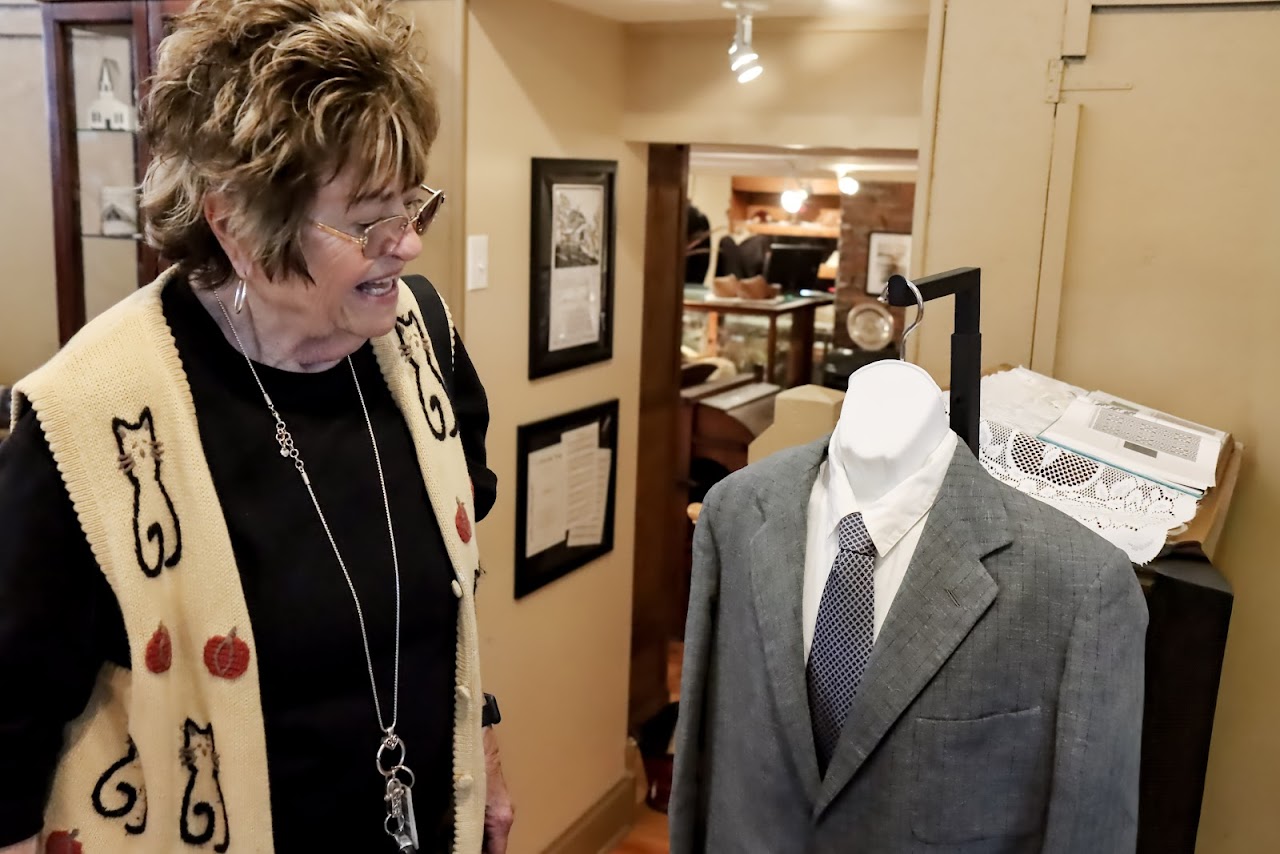
Following the video presentation and unveiling of the art piece, the Florence B. Dearing Museum showcased a beautiful Hartland Weaving exhibit, featuring historic woven goods produced in Hartland.
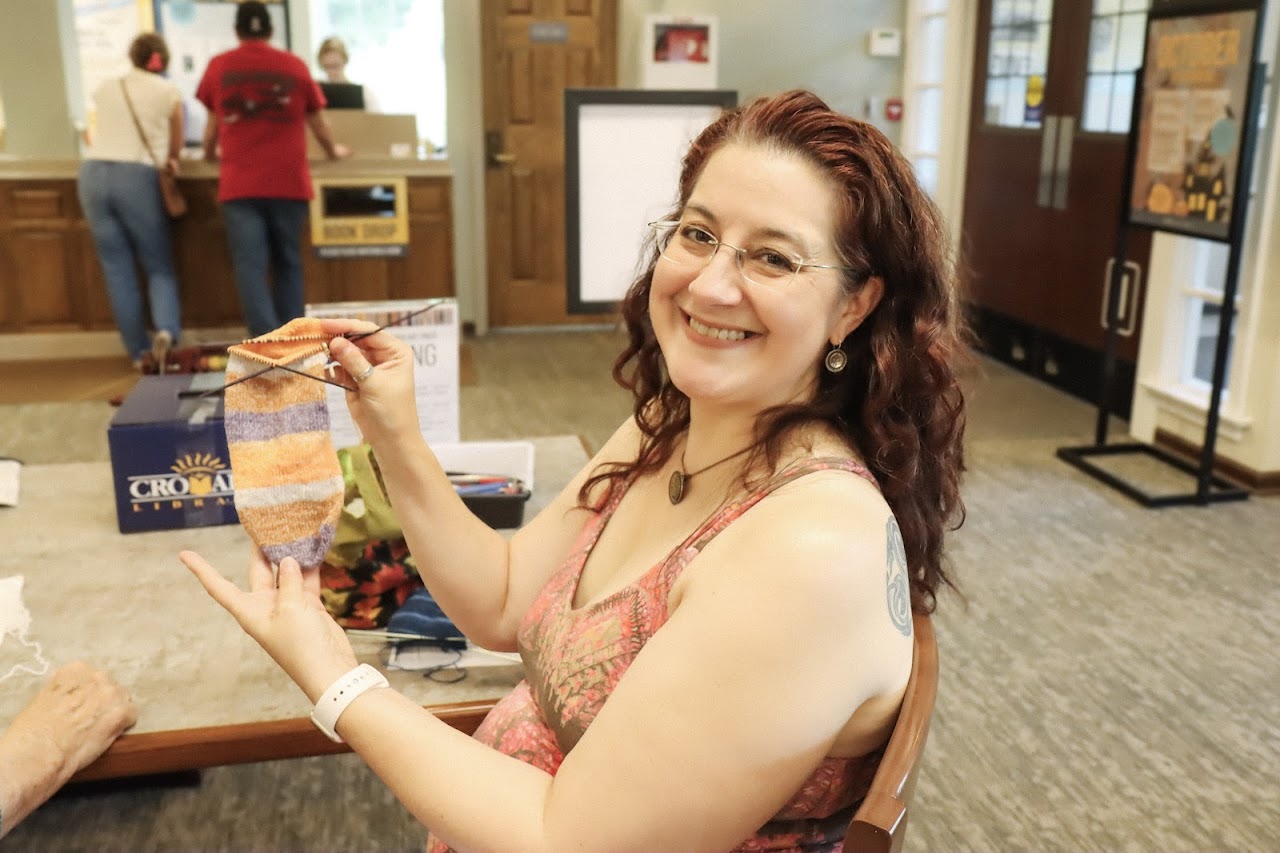
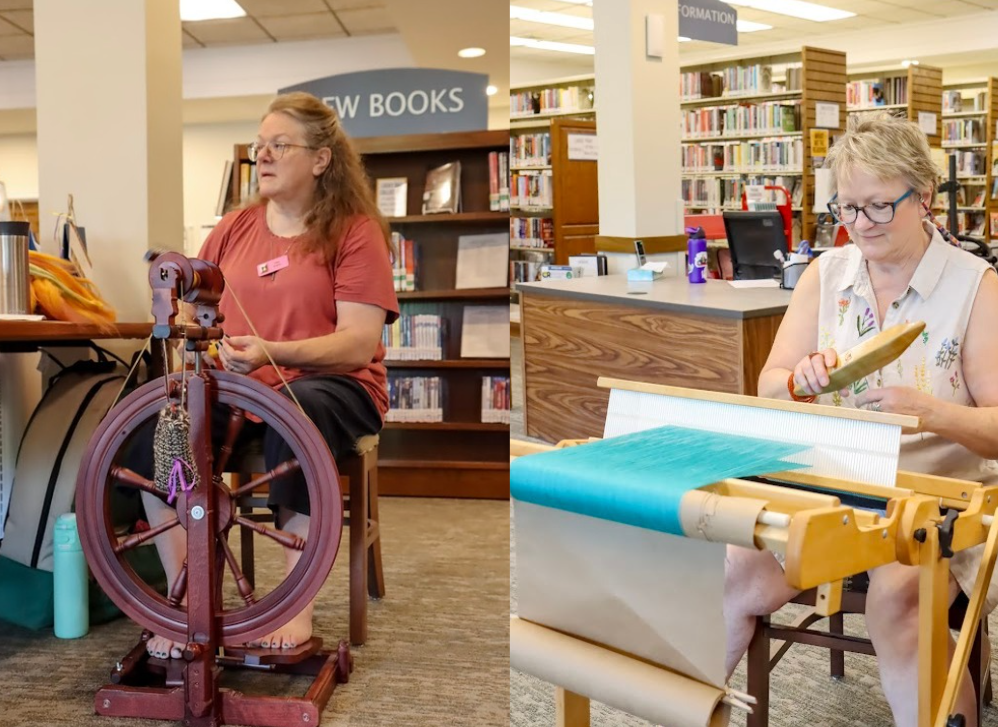
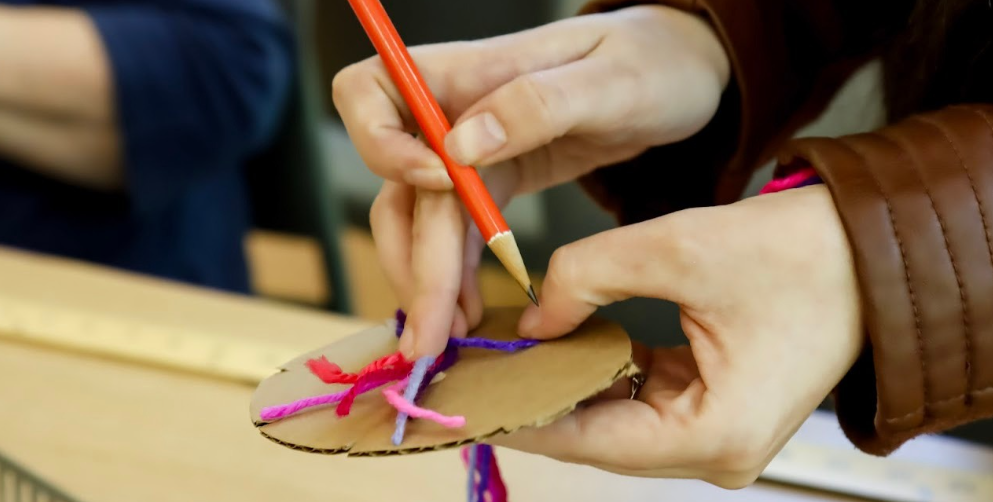
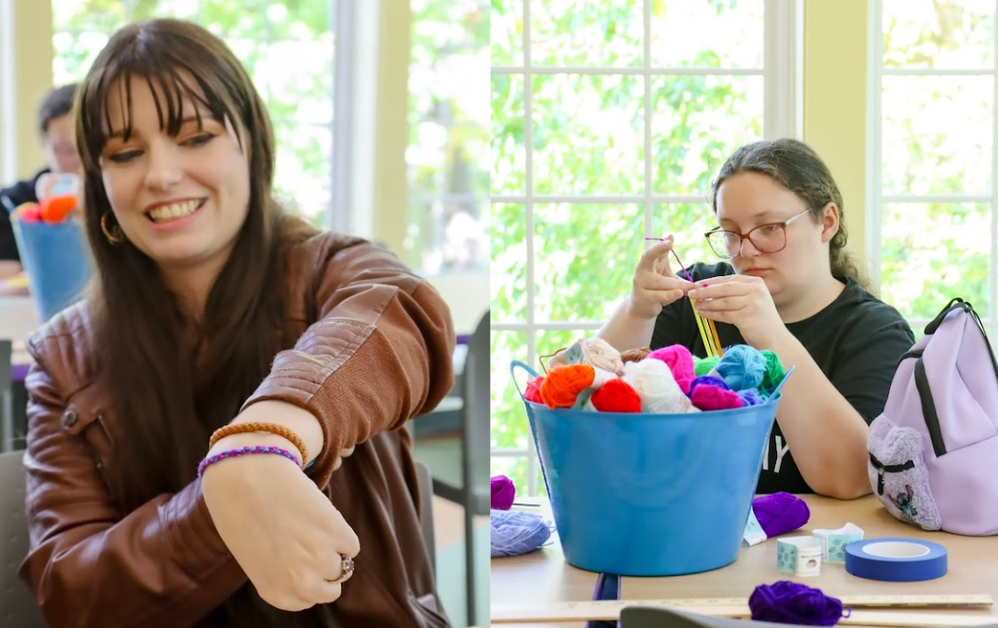
Meanwhile, Cromaine Library hosted a variety of activities for the community to enjoy. Members of the Black Sheep Weavers Guild invited attendees to watch weaving and spinning demonstrations, and hands-on fiber art and weaving crafts were hosted in the Youth Program Room! Crafters of all ages and skill levels created woven pieces, met fellow crafters, and learned about the unique skill of weaving and other textile arts.
The Spinning Yarns event was a wonderful celebration of creativity, dedication, and skill. We are grateful for all of the staff, volunteers, and community members who came together to make this year's Art Walk a success, and we're already looking forward to next year!